
Marketing a small business in Brisbane often feels like paying for ten different megaphones, then realising none of them are pointed at the right street. Owners are juggling quotes, staff, stock, invoicing, and customer service, and marketing usually gets pushed to the end of the day when there's no energy left for it. That's why expensive, complicated advice rarely sticks.
The good news is that Brisbane Digital Marketing doesn't have to mean big agency retainers, flashy campaigns, or being on every platform at once. The most useful cost effective marketing strategies are usually the ones that match how local customers buy. They search nearby. They compare quickly. They trust familiar names. They ask friends. They come back when a business stays visible and easy to contact.
For small businesses, the key to success isn't doing more marketing. It's doing less, better. That means choosing channels that fit the budget, the workload, and the kind of customers the business wants to attract.
This guide gets straight into practical options that suit tight budgets and limited time. Each one is grounded in how local Brisbane businesses operate, from tradies and clinics to consultants, cafés, and ecommerce stores.
1. Content Marketing & SEO
Content and SEO work well for small businesses because they keep paying off after the initial work is done. A helpful service page, blog post, or suburb guide can keep attracting local searches long after it's published. That's why many successful Australian businesses give content marketing and SEO a meaningful share of budget, because those assets compound over time rather than disappearing when ad spend stops, as outlined in this Australian small business digital marketing budget guide.
For Brisbane Digital Marketing, this matters most when the content answers real buying questions. A Brisbane plumber can publish “how to fix a leaky tap” and “when to call an emergency plumber in Brisbane”. A tax accountant can write plain-English Queensland tax guides for sole traders. A fitness coach can create pages around specific services, suburbs, and common objections.
Write for the questions customers already ask
Think of SEO like planting a row of shade trees. Paid ads are like renting an umbrella. The umbrella works fast, but the cost never stops. The trees take longer, but once they grow, they keep doing the job.
Useful content usually starts here:
- Service questions: Turn repeated customer questions into articles, videos, or short guides.
- Local intent phrases: Build pages around Brisbane and suburb-based searches that match real services.
- Internal links: Connect related pages so Google and visitors can follow the trail naturally.
- Content updates: Refresh old posts when pricing, services, or regulations change.
Practical rule: If a customer has asked the question twice, it probably deserves a page on the website.
A Brisbane electrician, for example, can link a blog about switchboard upgrades to a service page and a local area page. That creates a cleaner path from search to enquiry. Businesses that want a practical view of how blogging supports rankings can see the connection in this guide to blogging and SEO.
2. Social Media Management (Organic)
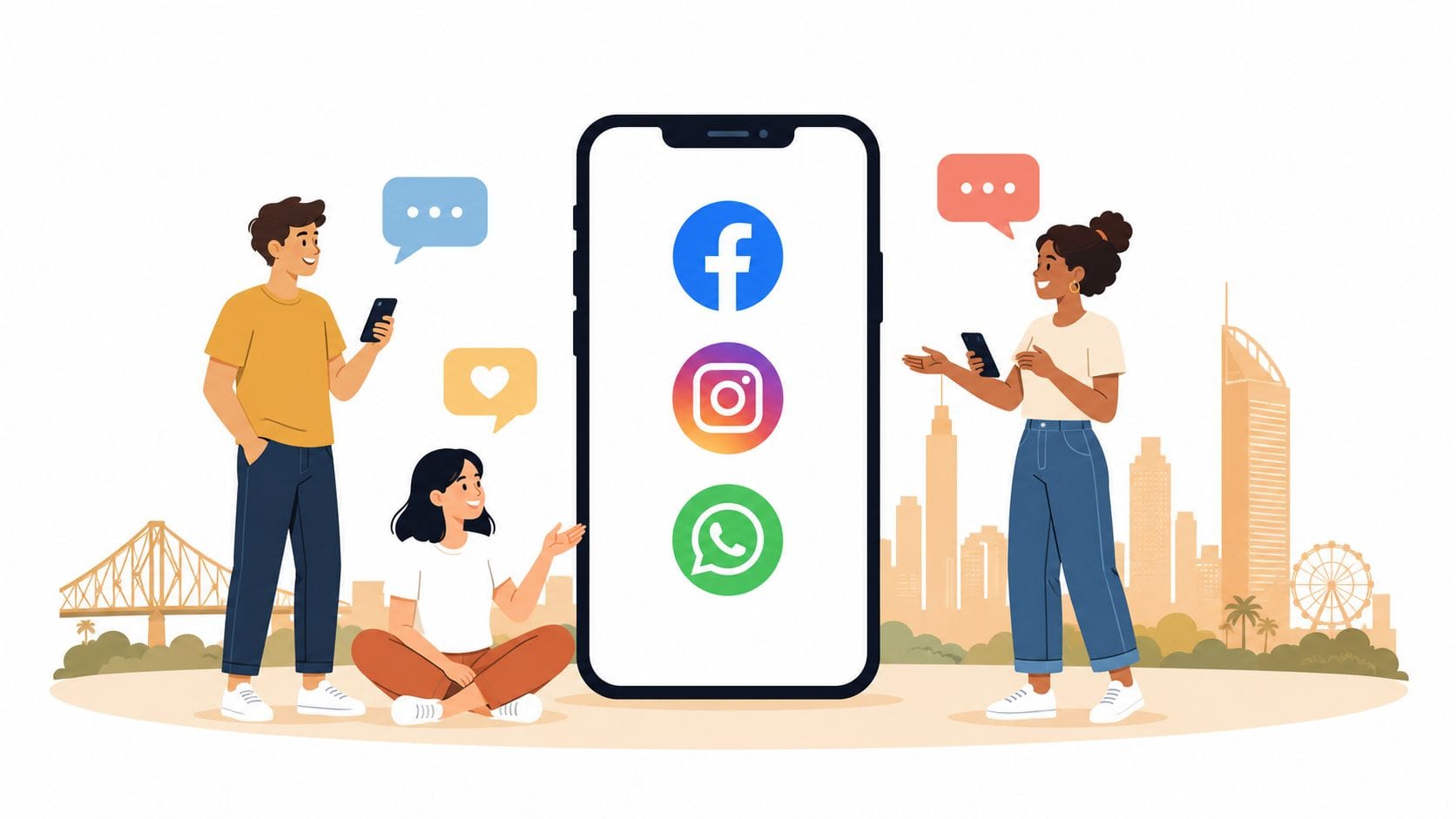
Organic social media works best when it feels like a conversation, not a broadcast. For a Brisbane café, that might mean daily specials, staff moments, and customer favourites. For a tradie, it might be progress photos, finished jobs, and simple maintenance tips. For a consultant, it could be one sharp insight each week tied to a local business problem.
The trade-off is time. Organic social is cheaper than paid campaigns, but someone still has to create posts, reply to comments, and keep the page active. In Australia, the median entry-level cost for social media management is $960 per month, with a typical range of $495 to $2,450 depending on posting volume, according to Digital Nomads HQ's agency pricing audit. For a small business owner, that makes a strong case for either batching content in-house or outsourcing only the parts that keep getting delayed.
Keep the content simple and repeatable
Most small businesses don't need a complicated content calendar. They need a format they can sustain.
A practical weekly mix might include job photos, customer stories, quick tips, and one promotional post. A Brisbane hair salon can rotate before-and-after images, product recommendations, team intros, and appointment reminders. A local retailer can repost customer styling photos and answer common product questions in short reels.
- Batch one month at once: Set aside a single block of time to create captions, photos, and post ideas.
- Reply quickly: Comments and direct messages are often where the lead starts.
- Show the people behind the business: Staff, process, and everyday work build trust faster than polished graphics.
- Reuse strong posts: If one topic got attention before, reshape it instead of reinventing everything.
For businesses trying to keep organic social manageable, this social media management guide gives a useful framework.
3. Email Marketing
Email is still one of the most practical channels for a small business because it reaches people who already know the business. That changes the job. The message doesn't need to interrupt strangers. It just needs to stay useful and timely.
For Brisbane businesses, email works especially well for repeat bookings, lead nurturing, reminders, and simple offers. A salon can send rebooking prompts. A business coach can send one weekly insight with a booking link. An online shop can follow up on abandoned carts, new arrivals, or restocks. Australian SMEs also have access to low-cost entry points, with platforms like Mailchimp offering free tiers and email campaigns commonly seeing open rates of 20% to 30%, as noted in this Australian SME marketing resource.
Start with simple sequences, not fancy funnels
The biggest mistake is overcomplicating email too early. Most businesses only need a welcome email, a follow-up, and a regular newsletter or offer.
A Brisbane accountant might use:
- Welcome email: Explain services, who they help, and how to book.
- Helpful follow-up: Send a tax deadline reminder or a common deduction guide.
- Regular email: Share seasonal advice and a direct call to book.
Email is like having a direct line to customers who've already opened the door. That's why clarity matters more than cleverness.
There is one real-world catch. Email isn't free just because the software starts free. Australian businesses still need to manage consent and follow spam rules, and the operational cost of compliance often gets ignored in budget planning, as discussed in this piece on low-cost marketing strategies for Australian small businesses. For businesses that want better inbox placement, this guide on fixing email deliverability issues is a practical addition.
4. Google Business Profile Optimisation
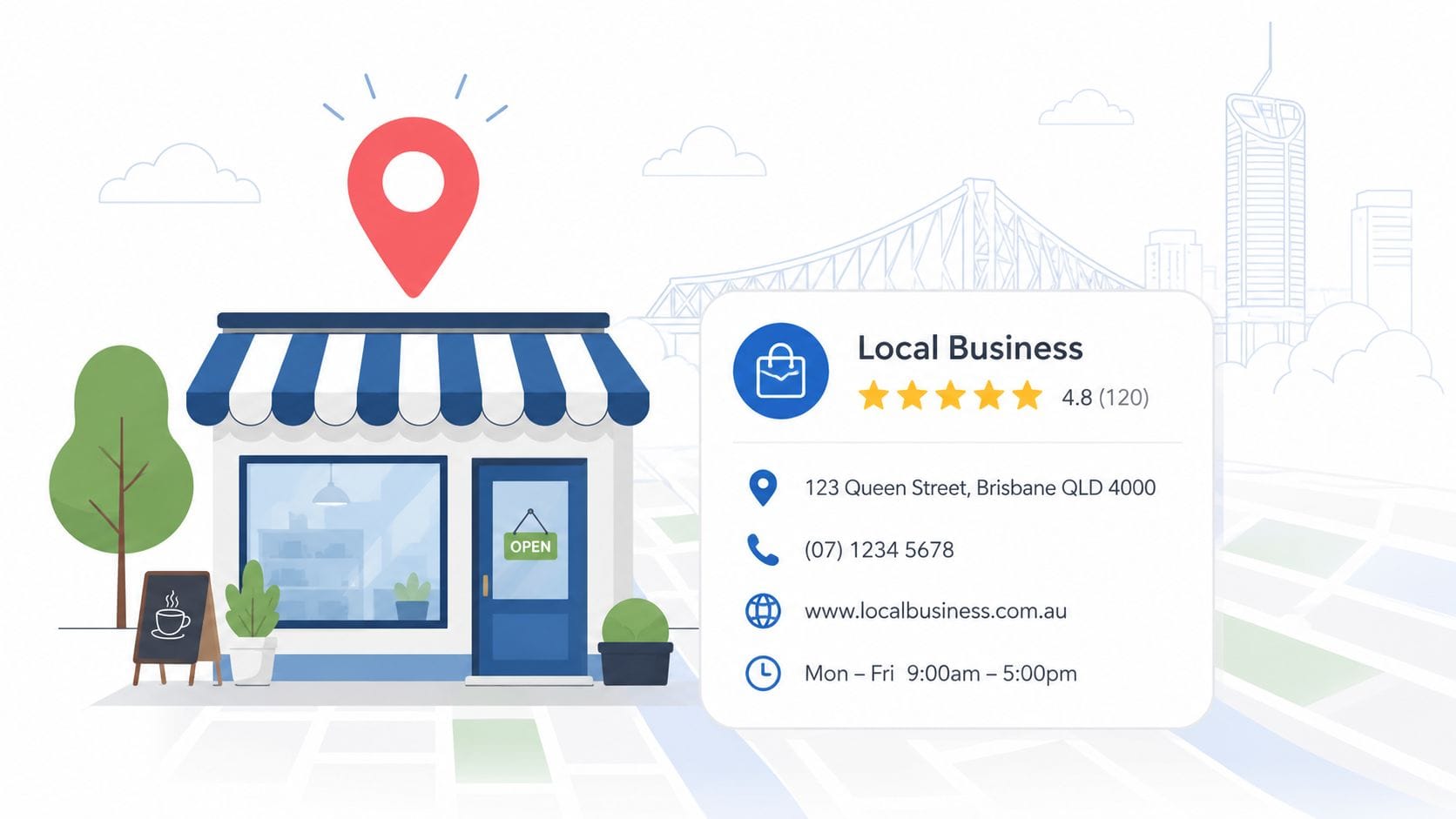
For many Brisbane businesses, Google Business Profile is the front door before the website even gets a chance. When someone searches “dentist near me”, “electrician Brisbane”, or “café in West End”, the profile often shapes the first impression. It's free, local, and high intent.
That's why local optimisation matters so much. For Australian SMEs, claiming and optimising a Google Business Profile is considered essential for visibility in local search, especially where most customers come from the immediate area, according to this report on cost-effective channels for Australian marketers. A complete listing helps the business appear more trustworthy and easier to contact.
Focus on the details customers actually check
A lot of profiles are half-finished. Missing categories, outdated opening hours, no photos, and no service descriptions make the business look inactive.
A Brisbane dentist should upload treatment photos, clinic images, clear hours, and review responses. A local pest control business can add service areas, common treatment types, and before-and-after examples. A café can keep menus, holiday hours, and fresh photos updated.
The basics that make the biggest difference are straightforward:
- Complete every field: Categories, phone number, website, address, and service areas.
- Add recent photos: Team images, work samples, shopfront, vehicles, or rooms.
- Ask for reviews consistently: Not in bursts, but as part of the normal customer process.
- Respond to reviews: It shows the business is active and paying attention.
For a fuller local search strategy beyond the listing itself, this local SEO marketing guide is a solid next step.
5. Strategic Local Partnerships & Referral Networks
Some of the best leads never come from an ad platform. They come from another business that already has the customer's trust. That's why local partnerships are one of the most reliable cost effective marketing strategies for service-based businesses.
The best partnerships are practical, not forced. A Brisbane wedding photographer can build relationships with florists, venues, and celebrants. A mortgage broker can partner with a buyer's agent and a conveyancer. A pest control business can stay top of mind with property managers and real estate agencies. The closer the services sit to the same customer moment, the easier the referrals flow.
Build a referral loop, not random alliances
A partnership only works when both sides know what to do next. Good intentions aren't enough. There needs to be a simple handover.
A Brisbane bookkeeper, for example, might send a short email introduction to a trusted accountant and copy the client in. A physiotherapist might keep a short list of local trainers, massage therapists, and specialists for appropriate referrals. A builder might recommend a cabinetmaker, then receive bathroom or kitchen referrals in return.
Useful partnership habits include:
- Map the ecosystem: List the businesses that serve the same customer before, during, or after the sale.
- Lead with value: Explain exactly why referring makes the partner look good.
- Create an easy process: Email intros, business cards, a landing page, or a shared contact sheet.
- Stay in touch: Coffee once a quarter often works better than a vague “let's collaborate sometime”.
The strongest referral partners aren't the ones with the biggest audience. They're the ones who trust the business enough to risk their own reputation on a recommendation.
6. User-Generated Content & Customer Testimonials
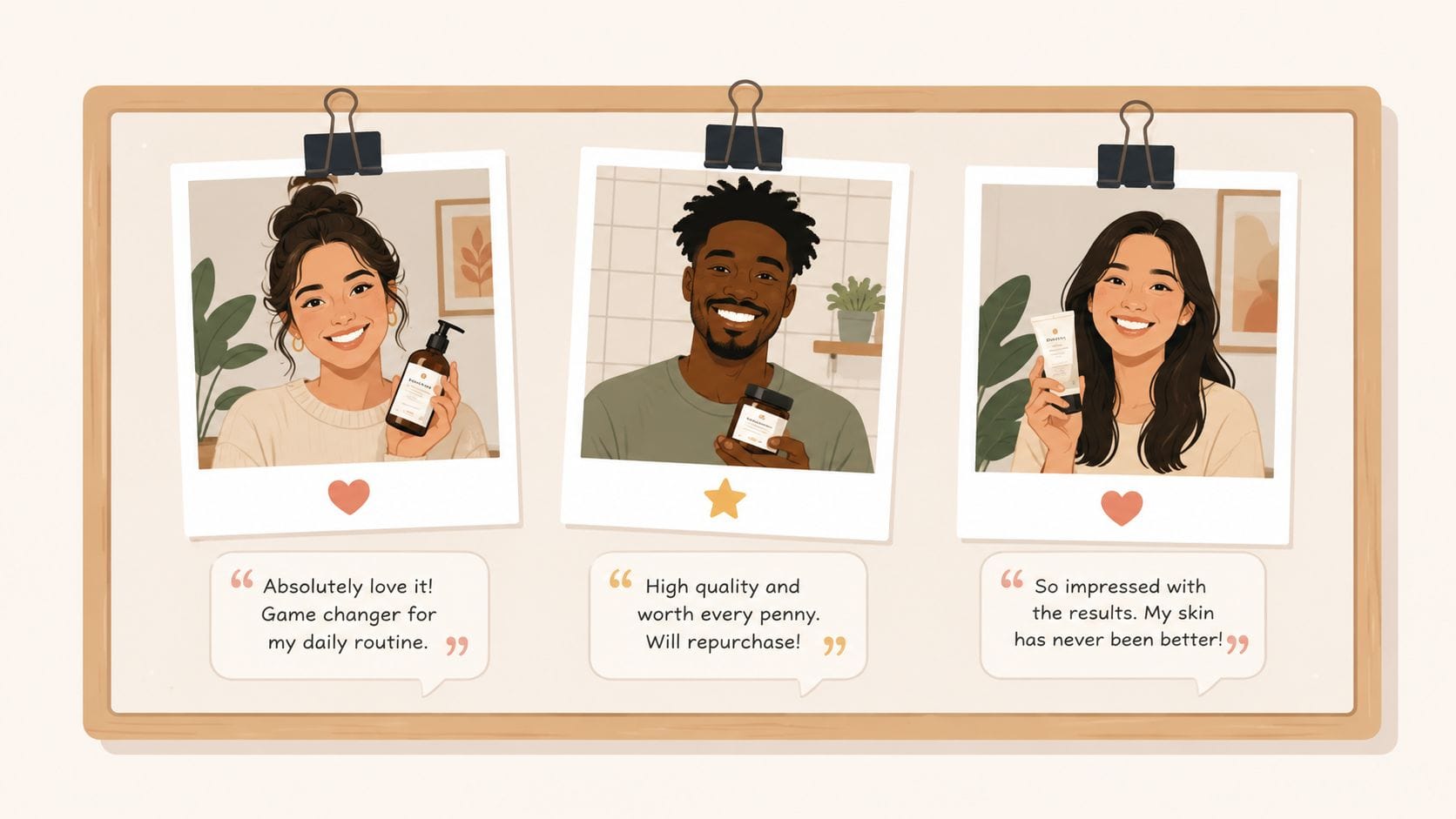
Customer content does a job polished brand content often can't. It lowers scepticism. A homeowner talking about a renovation, a patient explaining a great clinic experience, or a client describing a smooth accounting process feels more believable than a business praising itself.
This is especially useful for Brisbane businesses selling trust, not just convenience. A buyer choosing a personal trainer, a childcare centre, or a financial adviser wants reassurance from people who've already gone first. A construction company can show before-and-after project photos with a short client summary. A beauty clinic can collect video reactions after treatments. A local retailer can repost customer product photos with permission.
Ask at the moment satisfaction is highest
Timing matters more than wording. The best time to ask is right after a result, not weeks later when the moment has gone cold.
A practical approach looks like this:
- Keep the ask simple: Send one short message with a direct review or upload link.
- Prompt for specifics: Ask what problem was solved, what stood out, and how the customer felt.
- Use more than one format: Text, photo, and short video all serve different channels.
- Reuse it well: Put testimonials on service pages, social posts, email campaigns, and quote follow-ups.
A Brisbane landscaping business, for example, can turn one happy client into a Google review, an Instagram post, a website case study, and a short quote in the next email campaign. Businesses focused on improving enquiry rates from existing traffic can explore conversion rate optimisation in Australia. Brands that want a creator-based approach can also look at ways to accelerate sales with creators.
7. Retargeting & Remarketing Campaigns
Retargeting works because most visitors don't take action the first time. They compare, get distracted, ask someone else, or run out of time. A second reminder can bring them back while the business is still familiar.
This makes remarketing especially useful for businesses with longer decision cycles. A Brisbane bathroom renovator, mortgage broker, or private clinic often deals with customers who need several touchpoints before enquiring. Rather than paying to introduce the brand again to cold traffic, retargeting keeps the message in front of warm visitors.
Warm traffic deserves different messaging
The mistake is treating all warm audiences the same. Someone who visited a pricing page is different from someone who only read a blog post. Someone who abandoned a cart needs a different message from someone who watched a video.
A practical setup might look like this:
- Website visitors: Show proof, testimonials, or a clear next step.
- Service page visitors: Reinforce trust and reduce friction around booking.
- Cart abandoners: Remind them what they viewed and make the return easy.
- Past engagers: Use simple brand recall and a fresh offer or update.
A Brisbane ecommerce store can retarget shoppers with the exact category they browsed. A local removalist can follow website visitors with ads that answer common objections like availability, timing, or service area. The point isn't to chase everyone. It's to stay visible to people who already showed intent.
Shorter, clearer campaigns usually work better than cluttered ones. If the original traffic came from useful content, search, or referrals, retargeting becomes the nudge rather than the whole sales job.
8. Community Engagement & Local Events
Community involvement often gets dismissed as “nice for branding” rather than practical marketing. For many Brisbane businesses, that's a mistake. Local visibility still matters, especially when trust is built face to face before a customer ever searches the website.
A tradie sponsoring a junior sports team, a café supporting a local fundraiser, or a consultant running a workshop at a library can all create real brand familiarity. Business Queensland recommends a “bricks-and-clicks” approach for small-budget local marketing because it helps businesses avoid wasting funds on ineffective channels, as explained in Business Queensland's small-budget marketing guidance.
Offline visibility can support online demand
The challenge is measurement. Many businesses know community presence helps, but they don't track how offline activity drives online enquiries.
A Brisbane electrician with a branded van might notice more direct searches after parking near active jobs. A local physiotherapist sponsoring a school event may see an uptick in website visits and calls in nearby suburbs. Those lifts are often real, but they're rarely measured cleanly.
A few practical ways to tighten the link are:
- Use dedicated landing pages: Mention the event or sponsor connection directly.
- Ask every lead how they heard about the business: Keep the options specific.
- Post the event online: Turn offline activity into social, email, and website content.
- Choose aligned events: The best community fit usually outperforms the biggest crowd.
This approach suits Brisbane particularly well because local buying still runs on familiarity. People are more likely to click when they've already seen the name on a sign, shirt, van, or event banner.
9. Low-Cost Paid Advertising (Facebook, Instagram, Google Search)
Paid advertising can be cost effective when the targeting is tight and the goal is clear. It becomes expensive when a business pays for broad reach, weak landing pages, and vague campaigns. Small budgets don't leave much room for waste.
Australian small businesses are often advised to allocate 5% to 10% of total revenue to digital marketing and begin testing with $4 to $8 per day across platforms before scaling what works, according to Xero's digital marketing guide for small businesses. That's a sensible starting point because it encourages testing before commitment.
Control the waste before increasing spend
Google Search is strong for high-intent demand. Facebook and Instagram are useful for attention, retargeting, and local offers. The wrong move is trying to use one platform for every job.
A Brisbane emergency plumber should lean heavily into Google Search because the customer already needs help. A boutique fitness studio may get more value from Meta ads showing classes, trainers, and local social proof. A cosmetic clinic can use paid social to build interest, then capture intent through search and remarketing.
Key habits that keep paid campaigns lean:
- Start with narrow targeting: Small budgets need focus.
- Track real actions: Calls, forms, bookings, and purchases matter more than clicks.
- Test one variable at a time: Change the headline, image, or audience, not everything at once.
- Use geo-targeting properly: Brisbane businesses should target an 8 to 15 km radius and exclude unserviceable suburbs where needed, as outlined in this Brisbane local targeting guide.
For owners weighing ad management support, this breakdown of Facebook ads costs gives useful context.
10. Leverage Your Existing Network (Word-of-Mouth & Networking)
Word-of-mouth still wins because trust arrives before the sales conversation starts. A referred customer is rarely starting from zero. They already believe someone they know made a good call.
That makes existing networks one of the most overlooked marketing assets in a small business. Past clients, suppliers, former colleagues, family friends, local business groups, and neighbouring operators can all become steady referral sources if the business stays visible and asks clearly.
Make referrals easy to act on
Many businesses wait passively for recommendations. A better approach is to build a process around them.
A Brisbane hairdresser can offer a service credit for successful referrals. A bookkeeper can remind happy clients that referrals are welcome during review calls. A cleaning business can give property managers a simple one-page overview they can forward to landlords or tenants. The easier it is for someone to explain the service, the more often they'll do it.
One practical benchmark helps frame the decision to formalise referrals or outsource other channels. For Australian small businesses, outsourcing digital marketing through a basic agency package typically costs $2,000 to $5,000 per month, while building an in-house team can exceed $283,550 per year including overheads, according to Boocoo's guide to digital marketing agencies for small businesses. For many owners, that means referrals and networking can reduce pressure on paid acquisition while the broader mix stays manageable.
Strong referral habits usually include:
- Ask directly: Don't assume happy customers will think of it themselves.
- Give people the words: A short message template removes friction.
- Thank referrers properly: A quick update and genuine appreciation go a long way.
- Return the favour: Networking works better when the business refers others too.
Top 10 Cost-Effective Marketing Strategies Comparison
| Strategy | Implementation Complexity | Resource Requirements | Expected Outcomes | Ideal Use Cases | Key Advantages |
|---|---|---|---|---|---|
| Content Marketing & SEO | Medium–High (strategy + SEO) | Moderate time, writers, occasional SEO tools | Organic traffic & authority growth over 3–12 months; sustained leads | Local service businesses seeking long-term inbound leads | High long-term ROI; builds trust and searchable assets |
| Social Media Management (Organic) | Medium (consistent posting & engagement) | Time-intensive content creation, scheduling tools | Slow growth in engagement and brand visibility | Consumer-facing and local businesses building community | Free posting; humanises brand and builds loyalty |
| Email Marketing | Low–Medium (list + automation) | Low-cost platforms, copywriting, automation setup | High ROI; repeat business and nurture-driven conversions | Businesses with existing contacts or e-commerce stores | Direct, measurable, personalised channel with top ROI |
| Google Business Profile Optimisation | Low (30–60 min setup, updates) | Minimal time, quality photos, review management | Immediate local visibility; more calls/visits | Brick-and-mortar and local service businesses | Free; prominent presence on Maps and local search |
| Strategic Local Partnerships & Referral Networks | Medium (relationship building) | Time for outreach, meetings, simple tracking systems | Qualified referrals and low acquisition cost over time | Complementary local businesses (wedding vendors, tradies) | Low cost per acquisition; durable local advantages |
| User-Generated Content & Testimonials | Low–Medium (collection & curation) | Minimal cost, processes for requests and permissions | Increased trust and conversion rates; reusable content | Businesses with satisfied customers and visual results | Authentic social proof and low-cost content supply |
| Retargeting & Remarketing Campaigns | Medium (pixels, segmentation) | Ad budget, technical setup, creative assets | Higher conversion rates from warm audiences; measurable ROI | Sites with traffic wanting to convert visitors (e‑commerce, services) | Cost-effective conversions; targets interested users |
| Community Engagement & Local Events | Medium (planning & follow-up) | Time, small sponsorship/hosting budgets, staff | Strong local reputation and word‑of‑mouth over months | Brands wanting local presence, PR, and trust-building | Deep local trust, memorable experiences, PR opportunities |
| Low-Cost Paid Advertising (Facebook/Instagram/Google) | Medium (platform optimisation) | Small daily budgets ($5–20), creative, tracking | Fast, measurable leads and traffic | Time-sensitive promotions and lead generation | Immediate reach, precise targeting, easy to test/scale |
| Leverage Existing Network (Word-of-Mouth & Networking) | Low–Medium (ask & systematise) | Minimal monetary cost, time to manage referrals | Very high conversion rates; low CAC when active | Service businesses with happy clients and contacts | Essentially free; highest-trust and highest-converting channel |
Putting Your Brisbane Marketing Plan Into Action
Small business marketing usually goes wrong in one of two ways. The business either tries to do everything at once and burns out, or it does nothing consistently and wonders why results are patchy. The better path is simpler. Pick one or two cost effective marketing strategies that match how customers already find the business, then do those well for long enough to judge them properly.
For some Brisbane businesses, that will be SEO and a well-built Google Business Profile. For others, it will be email plus referrals. A local café may get strong value from organic social and community involvement. A tradie may need local search visibility, reviews, and tightly targeted Google Ads. The right mix depends on the service, the sales cycle, and how much time the owner can realistically give it each week.
Budget matters, but allocation matters more. Many Australian businesses use structured budget ranges depending on whether they're defending market position or pushing for growth, and early-stage SMBs often work within monthly budgets of roughly $1,500 to $4,800, while some SMEs start smaller by leaning on organic activity and limited paid testing, according to this overview of small business digital marketing spend in Australia. The main lesson isn't that every business should spend the same amount. It's that a plan works better when the money is divided with purpose instead of spread thin across every shiny option.
Small business marketing works best when the business chooses a few channels it can actually maintain, then improves them steadily.
There's also value in staying realistic about what “cheap” really means. Organic social still takes time. Email still needs compliance and list care. Community sponsorships still need follow-up. Paid ads still need good landing pages. Cost effective doesn't mean effortless. It means the return is sensible for the time and money going in.
For Brisbane Digital Marketing, the businesses that usually get the best traction are the ones that stay local, clear, and consistent. They answer common questions. They show proof. They make it easy to enquire. They target the right suburbs. They follow up instead of hoping. That's not flashy marketing. It's disciplined marketing.
If a business needs support building a plan around SEO, social media, web updates, or paid campaigns, Boocoo is one Brisbane-based option for outsourced help. The focus is practical delivery for small businesses that want marketing taken off their plate without adding more complexity.