

A Brisbane small business owner usually isn't short on work. The day fills up with quoting jobs, serving customers, chasing invoices, managing staff, and fixing whatever catches fire next. Marketing often gets pushed to Friday afternoon, then to next week, then to “when things slow down”.
That's where SEO earns its keep. A café in Fortitude Valley can make excellent coffee, but if it's tucked down a laneway with no clear sign, plenty of locals will walk straight past. SEO works like the street sign, the sandwich board, and the map pin all at once. It helps the right people find the business when they're already looking.
For Brisbane operators, that matters even more because local search behaviour is strong. Original Australian data found that multi-location businesses generated 557% more traffic on average than single-location operators across 36 businesses in 28 industries, which shows how powerful suburb-based visibility can be for small businesses serving more than one area (Australian local SEO statistics). Broader local SEO statistics also point to the same trend. Local intent is where many buying decisions begin.
The good news is that most seo tips for small business aren't flashy, expensive, or overly technical. They're practical fixes that make a site easier to find, easier to trust, and easier to use. For a busy Brisbane plumber, accountant, café owner, physio, or online retailer, that's the difference between hoping for enquiries and building a steady flow of them.
1. Claim and Optimize Your Google Business Profile
For many local businesses, this is the fastest SEO win on the board. A Google Business Profile is the free listing that appears in Maps and local search, and it often shapes a customer's first impression before they ever visit a website.
In Brisbane Digital Marketing, this matters because local competition is crowded and buyers want quick answers. For Brisbane-based small businesses, filling in all Google Business Profile fields, including name, address, phone, correct category, hours, services, photos, and service areas, is a critical threshold for appearing in local “near me” results because Google uses those signals to verify relevance and operations (why local SEO matters for Brisbane businesses).
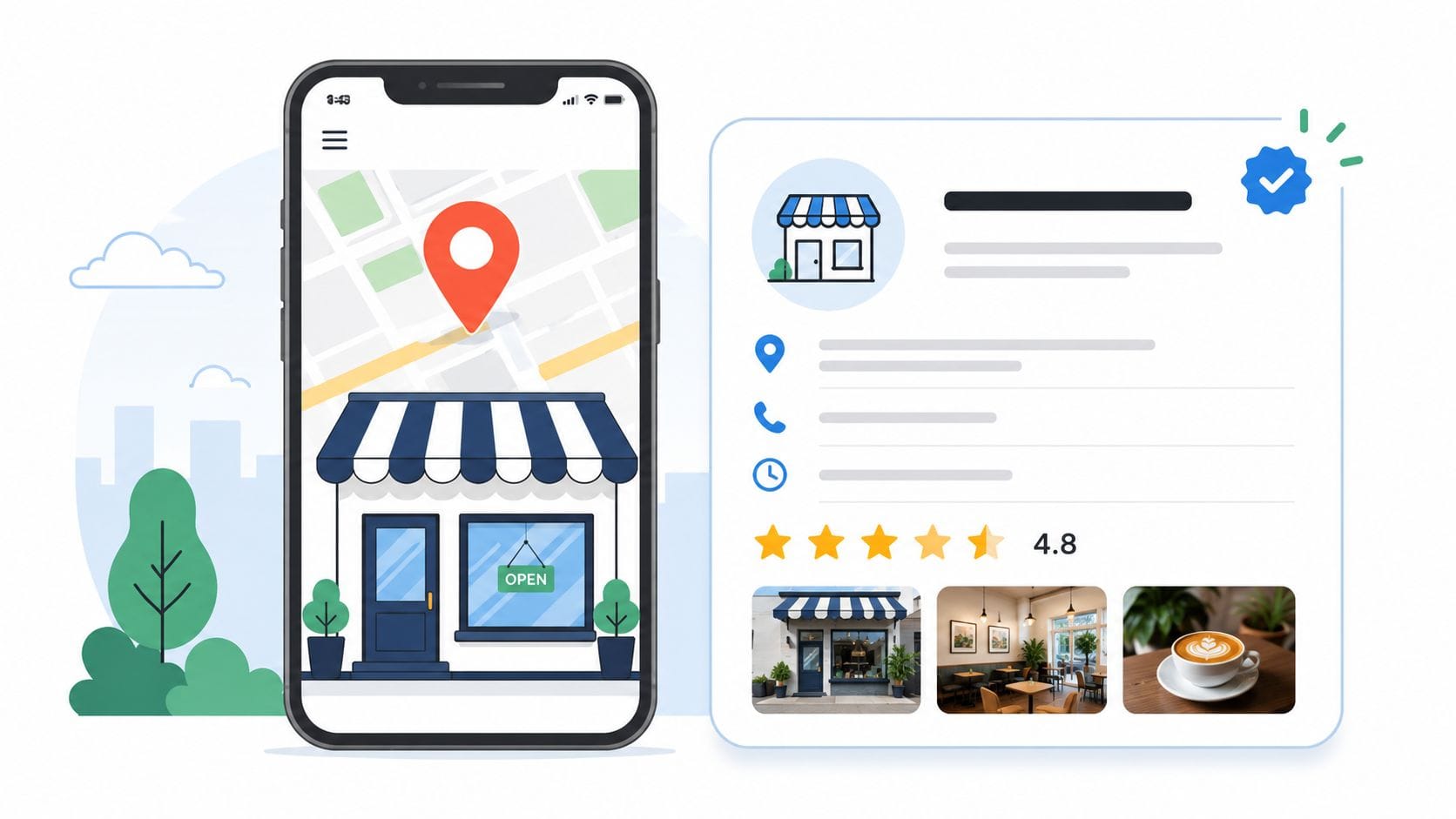
Fill every field before chasing harder tactics
A half-finished profile is like a shopfront with no opening hours on the door. Customers hesitate. Google does too.
A Brisbane electrician in West End, for example, should make sure the suburb, service area, phone number, business category, and holiday hours all match the website. A New Farm dental clinic should upload real photos of reception, treatment rooms, and staff rather than leaving the gallery empty or relying on generic images.
Practical rule: If a customer could ask it over the phone, the profile should already answer it.
A few habits make a big difference:
- Use exact business details: Match the business name, address, and phone number across the website and directory listings.
- Add fresh photos: Real images of the team, vehicles, premises, or completed work build trust quickly.
- Respond to reviews: A short, polite reply shows the business is active and paying attention.
- Keep hours current: Public holidays and special closures need updating straight away.
A simple Brisbane example
A South Brisbane café can use Google Posts to mention a new seasonal menu, while a mobile mechanic can highlight service areas like Chermside, Indooroopilly, and Carindale. Both help Google connect the business to local intent.
Businesses that want a deeper local search setup can also review this guide to a local SEO agency in Brisbane, especially when profile work needs to connect with website pages and suburb targeting.
2. Target Long-Tail Keywords Your Competitors Are Missing
A lot of Brisbane small businesses chase the same big search terms and end up standing in the longest queue. A plumber goes after “plumber Brisbane”. An accountant picks “accountant Brisbane”. A marketing agency wants “Brisbane Digital Marketing”. Those phrases matter, but they are broad, expensive in effort, and crowded.
Long-tail keywords give you a clearer lane. They work like the difference between asking for “coffee” and asking for “oat milk flat white near South Bank open early”. The second search reveals what the person wants. In SEO, that specificity often brings visitors who are closer to booking, calling, or buying.
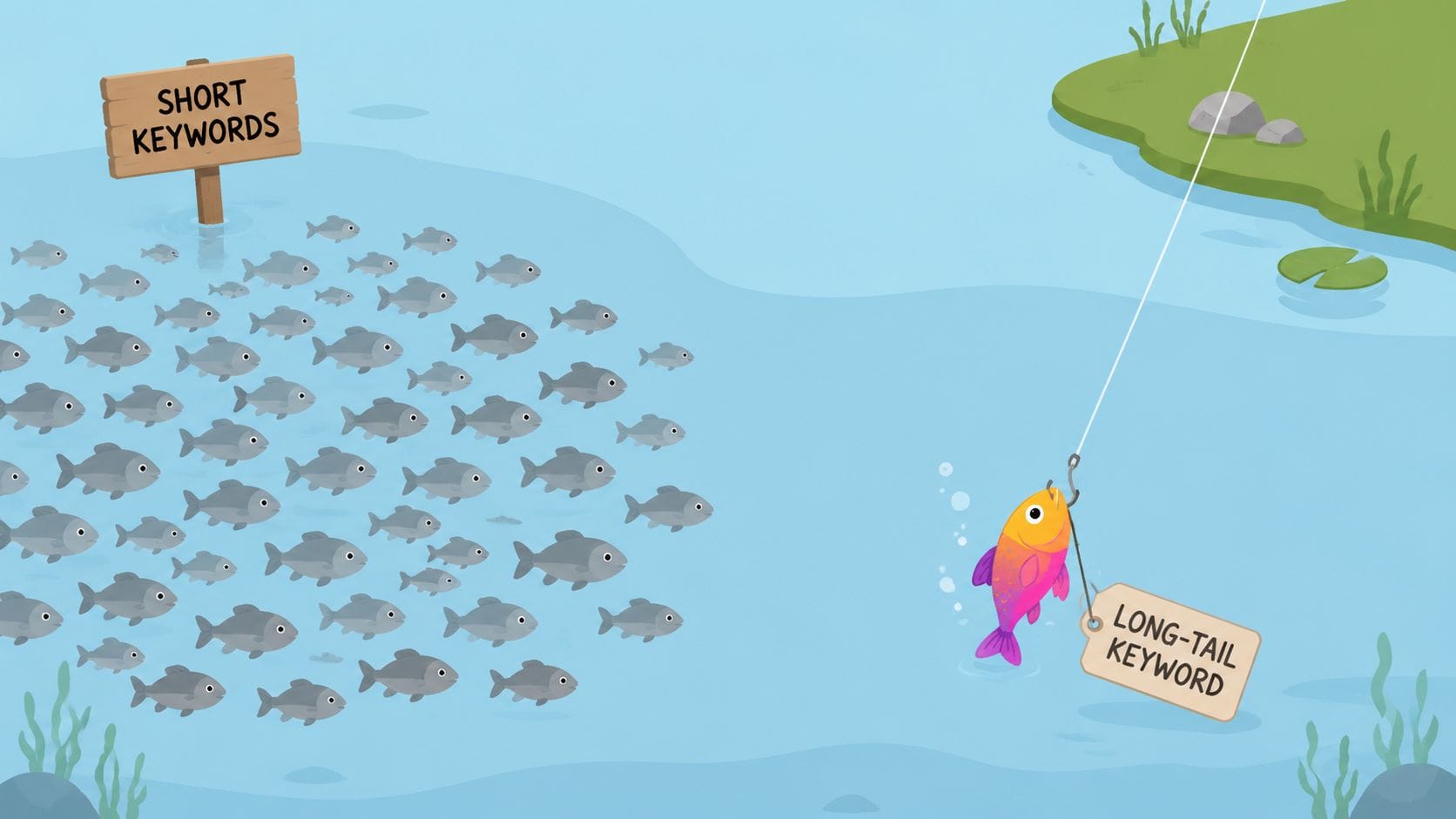
Why specific phrases win
Google rewards pages that match search intent closely. If someone types “emergency electrician South Brisbane weekend”, they do not want a general homepage about electrical services across Australia. They want a local provider who handles urgent callouts, serves that area, and makes that clear on the page.
That is why a Brisbane electrician can get better results from phrases like “switchboard upgrade Paddington” or “smoke alarm installation Camp Hill” than from one broad keyword alone. A suburban bookkeeper may have a stronger chance with “bookkeeping for tradies Brisbane northside” than with a generic accounting term.
Google's own SEO starter guide supports the wider principle here. Clear, specific page topics help search engines understand what a page should rank for.
How to find long-tail keywords without wasting half your week
Start with the words your customers already use.
A Brisbane pest control business, for example, might describe a service as “termite treatment”. Customers may search “termite inspection old Queenslander Brisbane” because that fits their actual worry. That difference matters. Good keyword research is often less about clever tools and more about listening carefully.
Use a short process:
- Check Google Search Console: Look for queries that already get impressions. These are signs Google is testing your pages for relevant searches.
- Use Google autocomplete and related searches: They show common wording and modifiers such as suburb names, urgency, and service type.
- Read reviews and enquiry emails: Customers often hand you keyword ideas in plain English.
- Group close variations together: One useful page can target several related phrases naturally, instead of forcing a separate page for every tiny variation.
- Add local intent where it fits: Suburbs, service areas, and problem-based terms help match real searches.
One sentence can change the target completely.
“Lawn mowing Brisbane” is broad. “NDIS lawn mowing services Logan” tells you who the customer is, what they need, and where they are.
A simple Brisbane example
A Fortitude Valley cleaner may struggle to rank for “cleaner Brisbane” because that term is crowded and vague. A service page built around “end of lease cleaning Fortitude Valley” speaks to a renter with a deadline, a location, and a clear need. That page has a better chance of attracting the right visitor, even if the search volume is lower.
This is often the trade-off small businesses need to accept. Fewer searches can still mean more leads if the phrase matches buying intent.
For businesses mapping keywords across service pages and suburb pages, this SEO strategy guide for planning local service intent is a practical next step.
3. Create Cornerstone Content That Solves Your Customer's Problem
A lot of small business sites look like a drawer full of loose papers. There is a short post about one topic, a quick update on another, then a gap of months before anything new appears. Helpful ideas get buried, and neither Google nor busy customers get a clear sense of what the business knows.
Cornerstone content brings order to that mess. It is the main page you build around one customer problem, then support with related pages underneath it. A good cornerstone page works like the front counter at a well-run Brisbane business. It gives people the overview, answers the common questions, and points them to the next step without making them hunt.
Start with one problem your customers really want solved
Choose a topic that sits close to a sale or enquiry. If you are a Brisbane mortgage broker, that might be a guide for first-home buyers comparing suburbs, deposit options, and the loan process. If you run a family law firm, it could be a clear explanation of parenting arrangements in Queensland and what parents should prepare before a meeting. If you are a marketing agency, a page about Brisbane digital marketing can explain how local SEO, website copy, and paid ads each play a different role.
The goal is not to sound impressive. The goal is to be useful.
Google's own guidance encourages content that is created for people first and shows real experience, expertise, and helpfulness, which is exactly what a strong cornerstone page is meant to do (Google Search guidance on helpful, reliable, people-first content).
What makes a cornerstone page different
A normal blog post answers one small question. A cornerstone page handles the wider problem around that question, so the reader does not need to bounce back to search results and start again.
For a Brisbane electrician, a short post might answer, “Why do my lights keep tripping?” A cornerstone page would cover common electrical faults, safety risks, when to call an electrician, what an inspection involves, and which services solve each issue. That page gives the customer context. It also gives your site a stronger page to build links and supporting articles around.
Here's a practical checklist:
- Pick one clear topic: One page, one main problem.
- Cover the decision journey: Include the cause, options, process, costs or factors, and next steps.
- Use plain English: Write like you are explaining it across the desk to a customer in Newstead or Indooroopilly.
- Add local detail: Mention Brisbane conditions, suburbs, regulations, or service areas where relevant.
- Link to supporting pages: Service pages, FAQs, and related articles should sit under the main topic, not float around the site by themselves.
If your current pages feel thin or disconnected, this guide to website content writing for small business sites shows how to make them clearer and more useful.
One strong page can carry a lot of weight. For a time-strapped business owner, that is often a smarter use of budget than publishing five short posts that never answer the full problem.
4. Optimize Title Tags and Meta Descriptions for Click-Through Rate
Ranking matters, but getting the click matters too. A page can sit on page one and still underperform if the title and description feel bland, vague, or generic.
Search results are a bit like a row of shopfronts along a busy strip. If one sign says “Services” and another says “Emergency Plumber in Brisbane. Fast Local Help”, it's obvious which door gets more attention.
Treat search results like a shop window
Title tags should tell people what the page offers in a few sharp words. Meta descriptions should support that promise and give a reason to click. For local businesses, adding the service and location usually helps.
An accountant in Spring Hill might use “Small Business Tax Accountant Brisbane” rather than just the firm name. A firm specializing in outdoor construction might lead with “Retaining Walls Brisbane Northside” instead of “Home”. These aren't glamorous changes, but they often improve relevance and make the result easier to understand at a glance.
Better titles don't need hype. They need clarity.
A stronger way to write them
A practical formula is simple. Lead with the service, include the location, then add a useful benefit. The description can then mention who the service is for, what makes the page helpful, and what action to take next.
A few habits keep these elements sharp:
- Put the main keyword early: This helps match what the searcher typed.
- Name the location naturally: Brisbane, a suburb, or a service area can improve local relevance.
- Highlight the benefit: Fast response, practical advice, family-friendly service, or local expertise.
- Avoid duplicates: Every key page should have its own title and description.
These changes are especially useful for pages already getting impressions but few clicks. They won't rescue weak content, but they can lift the performance of pages that are already within striking distance.
5. Create Content That Answers Your Customer's Specific Questions
It is 8:15 on a Tuesday morning. A café owner in New Farm has spilled coffee on the counter, the first delivery is late, and a customer is searching, “why is my commercial coffee machine leaking water?” If your business has a plain-English answer ready, you have a chance to become the trusted option before that owner ever fills out a form.
That is the job of question-based content. It meets people at the problem stage, when they are trying to understand what is happening, what it might cost, and whether they need help now.
Specific questions bring the right visitors
Broad pages often sound polished but miss the moment a customer is in. A page called “Plumbing Services Brisbane” has its place. A page answering “Why is my water bill suddenly so high?” speaks to a real concern with clear intent behind it.
You can see this across Brisbane service businesses:
- A plumber answers “Why is my water bill suddenly so high?”
- A physio explains “Should lower back pain be treated with rest or movement?”
- A web designer covers “How long does a small business website rebuild take?”
- A bookkeeper writes about “What records do I need before BAS lodgement?”
These topics work like good staff at the front desk. They greet the question directly, point people to the right next step, and reduce confusion before the sales conversation starts.
Keep the format simple and useful
Busy teams do not need a giant content machine. One solid article a week is enough if it answers a real question better than the pages already showing up in search.
A practical structure is:
- Open with a direct answer. Give the short version first.
- Explain why. Add the context a customer needs to make sense of the issue.
- Cover common mistakes. This builds trust because it shows practical experience.
- Offer the next step. Invite the reader to call, book, or read a related guide.
That structure works because it respects how people read online. They want the answer first, then the detail.
Where to find questions worth writing about
Small business owners usually do not have a topic problem. They have a note-taking problem. The questions are already coming in all week.
Good places to collect them include:
- Sales calls: Listen for the questions people ask before they are ready to commit.
- Support emails: Repeated concerns often make the strongest article topics.
- Google Search Console: Question-style queries often show what your site is already close to ranking for.
- Reviews and forums: Customers often describe problems here in the same words they type into Google.
If your site has not been updated in a while, publishing new answers is only part of the job. Basic upkeep matters too. A neglected site can bury good content under old plugin issues, formatting problems, or broken elements. A regular website maintenance plan for Brisbane small businesses helps keep those pages usable after they go live.
Clear answers build trust slowly, like repeated good service at a local shop. They may not close every sale on the first visit, but they make your business easier to remember when the customer is ready to act.
6. Optimize Your Website for Mobile and Page Speed
A Brisbane plumber gets a call-out in Camp Hill. The customer found the business on a phone, tapped the site, waited a few seconds, then hit back and chose the next result. The service might have been excellent. The website never gave it a chance.
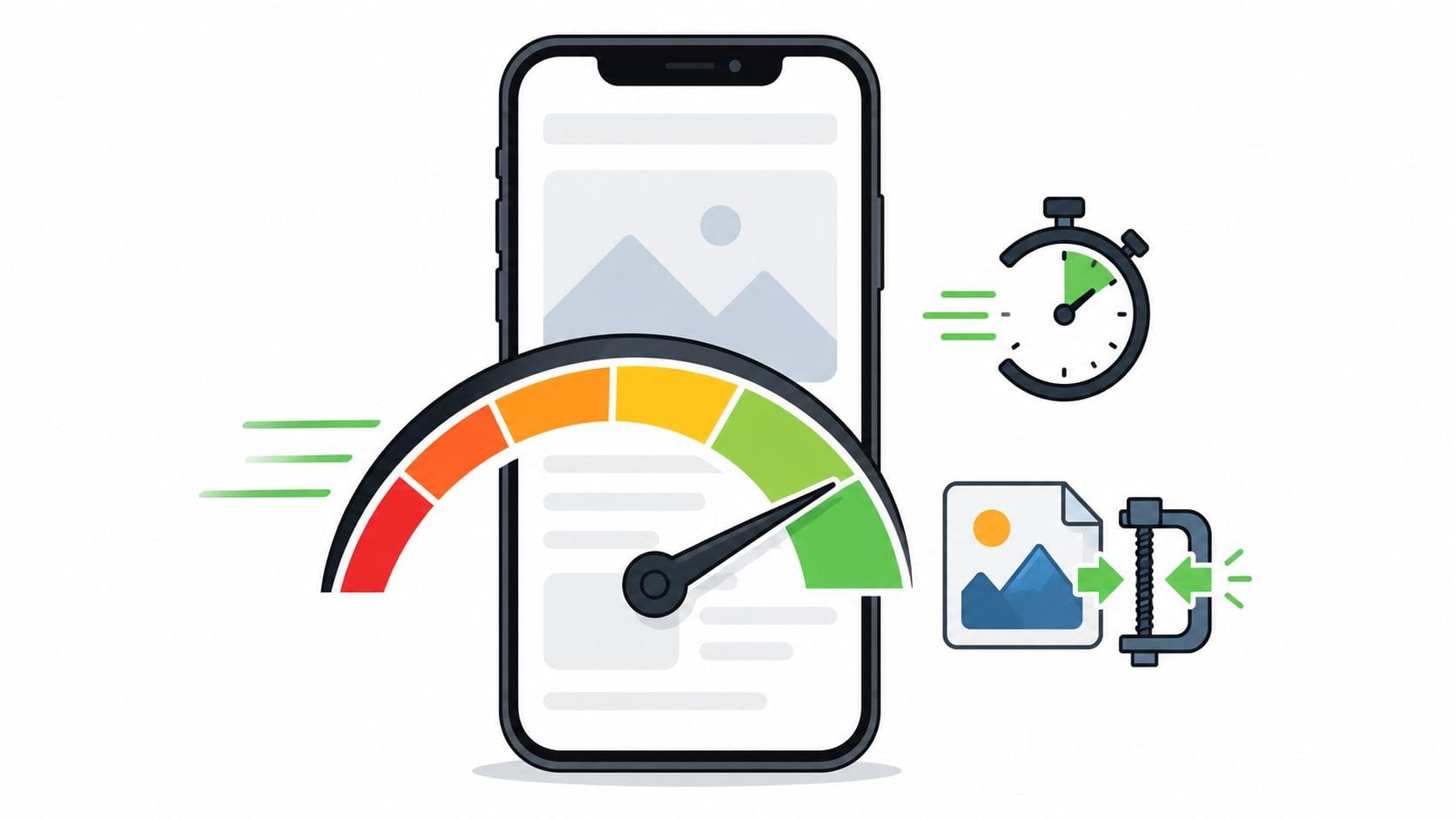
That is what mobile speed affects. It shapes the first impression before a person reads a review, checks a service area, or fills out a form.
For small businesses, a fast mobile site works like a tidy front counter. People can find what they need, ask a question, and move on without friction. A slow site creates little delays that add up fast, especially for people searching between jobs, during a lunch break, or while standing outside a property in Brisbane heat.
Google also uses mobile-first indexing, which means it primarily looks at the mobile version of your site for crawling and ranking, as explained in Google's documentation on mobile-first indexing. If your phone version is clunky, stripped back, or slow, that can affect both visibility and enquiries.
What usually slows a small-business site down
The common causes are rarely mysterious. They are usually basic housekeeping problems:
- Oversized images: A homepage banner straight from a phone or camera can be far larger than the page needs.
- Too many plugins: Each extra add-on can add scripts, styling, or conflicts that slow things down.
- Cheap or overcrowded hosting: Slow server response makes every page feel heavy.
- Mobile layouts that look fine on desktop only: Buttons can be hard to tap, text can feel cramped, and forms can become annoying to complete.
A good test is simple. Open your homepage, top service page, and contact page on your own phone using mobile data, not office Wi-Fi. If the page feels annoying to use, customers will feel it too.
Low-cost fixes that give you the biggest return
You do not need a full rebuild to make progress. Many improvements are closer to a tune-up than a renovation.
Start with the pages that matter most for enquiries:
- Compress images before uploading them
- Remove plugins you no longer use
- Choose a lighter theme or page builder setup
- Reduce pop-ups that cover the screen on mobile
- Check that click-to-call buttons, forms, and maps work properly on a phone
For a suburban service business, those fixes can matter more than adding another fancy animation or design effect. A fast contact page often does more for leads than an elaborate homepage.
If your site has been patched together over time, regular upkeep usually solves more than one problem at once. This website maintenance guide for Brisbane small businesses covers the kind of cleanup work that helps pages stay fast, usable, and easier to manage.
Speed and mobile usability are not technical extras. They are part of customer service. If your site loads quickly, reads clearly, and makes it easy to call or enquire, you remove one more reason for a potential customer to leave.
7. Build a Strategic Internal Linking Structure Siloing
A lot of small business websites grow the same way a junk drawer fills up. Pages get added one by one, but nobody steps back to organise them. After a while, the site has useful information, yet it's hard for Google and customers to see how it all fits together.
Internal linking solves that. It connects related pages so the site feels coherent rather than scattered.
Make the site feel like a tidy toolbox
A clear silo structure groups related content together. A Brisbane accountant might have one main tax page linked to supporting articles on BAS, bookkeeping, deductions, and business structures. A roofing company could group residential roofing, repairs, storm damage, and guttering under a broader roofing hub.
This structure helps in two ways. Readers can move naturally from one useful page to the next, and search engines get stronger signals about topical relevance.
A practical structure for a small business website
The easiest way to think about silos is to picture a hardware store. Nails sit with screws and fixings, not beside paintbrushes. The categories are obvious, and finding the next relevant item is easy.
A small business site can copy that logic:
- Choose core pillars: Services, locations, or major problem areas.
- Create one main page per pillar: This acts as the hub.
- Link supporting pages back to the hub: And link the hub out to those subpages.
- Keep related links close: A local SEO page should link to review, citation, and Google Business Profile content, not unrelated topics.
A Brisbane Digital Marketing site, for example, might organise pages under SEO, paid ads, websites, and social media. That makes the site easier to use and easier to expand later without creating chaos.
8. Get Backlinks By Creating Content Worth Linking To
A Brisbane business owner can spend hours emailing strangers for links and get little back. A more practical path is to publish something so useful that local groups, suppliers, bloggers, or industry sites want to reference it on their own.
That usually happens when the content saves people time, clears up confusion, or gives them a resource they can reuse. Backlinks work a bit like word-of-mouth referrals. A recommendation from a trusted source carries more weight than a business praising itself.
Create resources people are glad to cite
The strongest linkable content is often simple and specific. A Brisbane accountant might publish a plain-English EOFY checklist for sole traders. A builder could explain council approval questions that trip up homeowners. A café might create a weekend guide for West End or Paddington that locals and visitors would bookmark.
These pieces work because they do a job. They answer a question, organise scattered information, or make a decision easier. That is what earns links.
For service businesses, original explanations can help too. If a removals company compares packing options, timing, and common moving mistakes in one clear guide, a local real estate blog may reference it. If a consultant turns messy numbers into a simple explainer, that same principle shows up in Menza's data analysis guide.
Brisbane-friendly ideas that fit a small budget
Useful link-building does not need to look like a full PR campaign. It can start with one page that is helpful for local customers.
Good options include:
- Local guides: Suburb pages, event roundups, or service area explainers with real detail
- Checklists and templates: Resources customers can download, print, or share with staff
- Partner features: Roundups that include suppliers, tradies, venues, or community groups
- Explainers with local context: Pages that answer Brisbane-specific questions, such as storm season prep or council-related service issues
A good test is simple. Would someone outside your business link to this because it helps their audience, or only because you asked?
Useful content attracts better links than sales copy. If you want a clearer explanation of how authority and link quality work, this guide on domain authority and backlinks explains the basics in plain English.
9. Measure What Matters With GA4 and Google Search Console
SEO gets frustrating when decisions are based on gut feel alone. Plenty of owners know they “need more traffic”, but that doesn't reveal which pages earn leads, which searches bring the right people, or where visitors give up.
GA4 and Google Search Console help remove the guesswork. They won't make the strategy for the business, but they will show what is happening.
Stop guessing and watch behaviour
Search Console shows which queries bring impressions and clicks. GA4 shows what people do once they land on the site. Together, they tell a much fuller story.
A Brisbane legal firm might discover that one blog post attracts plenty of traffic but no enquiries, while a service page with less traffic drives more calls. A home services business might find that mobile users drop off on the quote page, which points straight to a usability problem rather than a traffic problem.
What to review each month
A simple monthly review is enough for many small businesses. It doesn't need to become a full reporting exercise with dozens of charts.
Useful checks include:
- Top landing pages: Which pages attract search traffic and which ones convert.
- Query trends: Terms rising, terms slipping, and pages with strong impressions but weak clicks.
- Mobile issues: Pages where users leave quickly or struggle to complete an action.
- Technical warnings: Crawl errors, indexing issues, or broken pages.
For owners who want a broader framework for making sense of business data, Menza's data analysis guide offers a helpful way to think about patterns rather than vanity metrics.
9 Small-Business SEO Tips Compared
| Tactic | Implementation complexity | Resource requirements (time & cost) | Expected outcomes | Ideal use cases | Key advantages |
|---|---|---|---|---|---|
| Claim and Optimize Your Google Business Profile | Low – simple setup, ongoing maintenance | 30 min setup; ~10 min/week; Free | Immediate local visibility, more calls/visits, better Maps presence | Local SMBs: trades, restaurants, salons, clinics, retail | High impact, zero cost, review-driven trust, appears in Search & Maps |
| Target Long-Tail Keywords Your Competitors Are Missing | Medium – research and content planning | 2–3 hrs initial; tools free–$10–50/mo; ongoing content | Easier rankings, higher conversion rates from specific queries | Small businesses, trades, niche services | Cost-effective, higher intent, less competition |
| Create Cornerstone Content That Solves Your Customer's Problem | High – deep research and quality writing | 4–8 hrs to create; $0–$500 (freelance); quarterly updates | Long-term organic traffic, authority, backlinks | Service businesses, consultants, agencies, SaaS | Establishes authority, compounding SEO, central hub for topic clusters |
| Optimize Title Tags and Meta Descriptions for CTR | Low – quick edits per page | 30 min audit; ~20 min per 5 pages; Free | Faster CTR improvements, increased clicks without rank change | Any website with search visibility | Fast wins, zero cost, easy to test and iterate |
| Create Content That Answers Your Customer's Specific Questions | Medium – question research and concise writing | 1.5–2 hrs per piece; $0–$150 outsourced | Featured snippets, targeted traffic, trust building | Service & professional businesses | Captures intent-aware searchers, repurposable, lower competition |
| Optimize Your Website for Mobile and Page Speed | Medium–High – technical work or developer help | 4–8 hrs initial; $0–$200/month; ongoing monitoring | Lower bounce rate, better rankings, higher conversions | Every website; critical for e‑commerce and mobile-heavy sites | Direct ranking factor, broad UX benefits, competitive advantage |
| Build a Strategic Internal Linking Structure (Siloing) | Medium–High – planning and possible restructuring | 3–5 hrs planning; 4–8 hrs restructure; $0–$1,000 if dev help | Improved topical authority, better crawlability, cluster rankings | Sites with 20+ pages; agencies, SaaS, information sites | Signals expertise, boosts related pages, organizes content growth |
| Get Backlinks By Creating Content Worth Linking To | High – high-quality content plus outreach | 8–20 hrs to create; ~30 min/week outreach; $0–$200/mo tools | Increased domain authority, referral traffic, ranking gains | All SMBs; especially agencies, consultants, niche experts | Strong ranking factor, builds trust and referral traffic |
| Measure What Matters With GA4 and Google Search Console | Medium – setup and learning curve | Setup time; 2–4 weeks for meaningful data; Free | Data-driven insights, tracked ROI, identify issues | All small businesses wanting growth by data | Free, replaces guesswork, surfaces technical and performance issues |
Next Steps Level Up Your SEO or Partner with Boocoo
The strongest seo tips for small business are usually the least glamorous. Complete the Google Business Profile. Fix slow pages. Write clearer titles. Build pages around real customer questions. Organise the site so related topics support each other. Then track what brings leads.
That kind of work suits small businesses because it's practical and cumulative. A Brisbane electrician doesn't need a giant content team to benefit from SEO. A local café doesn't need to dominate every broad search term in Australia. A suburban accountant doesn't need to publish daily. Each business needs the basics done properly, then improved steadily over time.
A smart way to approach it is to separate quick wins from ongoing work. Quick wins include polishing the Google Business Profile, correcting NAP details, improving title tags, compressing images, and updating slow or thin service pages. Ongoing work includes publishing useful content, earning local links, building suburb pages where relevant, and reviewing search data each month.
The local angle matters more than many businesses realise. Brisbane customers often search by suburb, urgency, service type, and convenience. That means the business should mirror that behaviour in its content. A plumber serving Camp Hill, Norman Park, and Coorparoo should show those service areas clearly. A digital agency focused on Brisbane Digital Marketing should explain what it does in plain language and show who it helps. A medical clinic should make hours, contact details, and bookings easy to find from a phone.
There's also a practical service standard behind strong SEO. Fast, clear follow-up helps turn visibility into revenue. That matters because the business that responds first often wins the enquiry, which is why the impact of fast response times deserves attention alongside traffic and rankings.
For some owners, handling these steps in-house makes sense. For others, it quickly becomes another half-finished job sitting beside payroll, scheduling, and customer service. If the work keeps slipping down the list, outsourcing can be the more efficient option.
Boocoo is one Brisbane-based option for businesses that want local support across SEO, web design, social media, and paid advertising. The team focuses on practical marketing support for small businesses and can be contacted at hello@boocoo.au or 1300 093 797 to discuss goals, budget, and timelines.
For a busy owner, the aim isn't to become an SEO expert. It's to make the business easier to find, easier to trust, and easier to contact. That's what turns search visibility into steady growth.