
A Brisbane café owner opens an SEO report after a quiet month and spots a number beside the website: Domain Authority. The number looks official, but its meaning isn't obvious. Does a low score explain weak enquiries, or is it just another dashboard metric competing with Google Search Console, website visits and phone calls?
That question sits at the centre of what SEO means for a small business. Domain Authority, or DA, can help a business compare its link strength with nearby competitors, but it isn't a magic switch for higher rankings. The useful approach is to understand what Moz measures, what the score can and can't tell a Brisbane operator, and how to improve the foundations that support real visibility and leads.
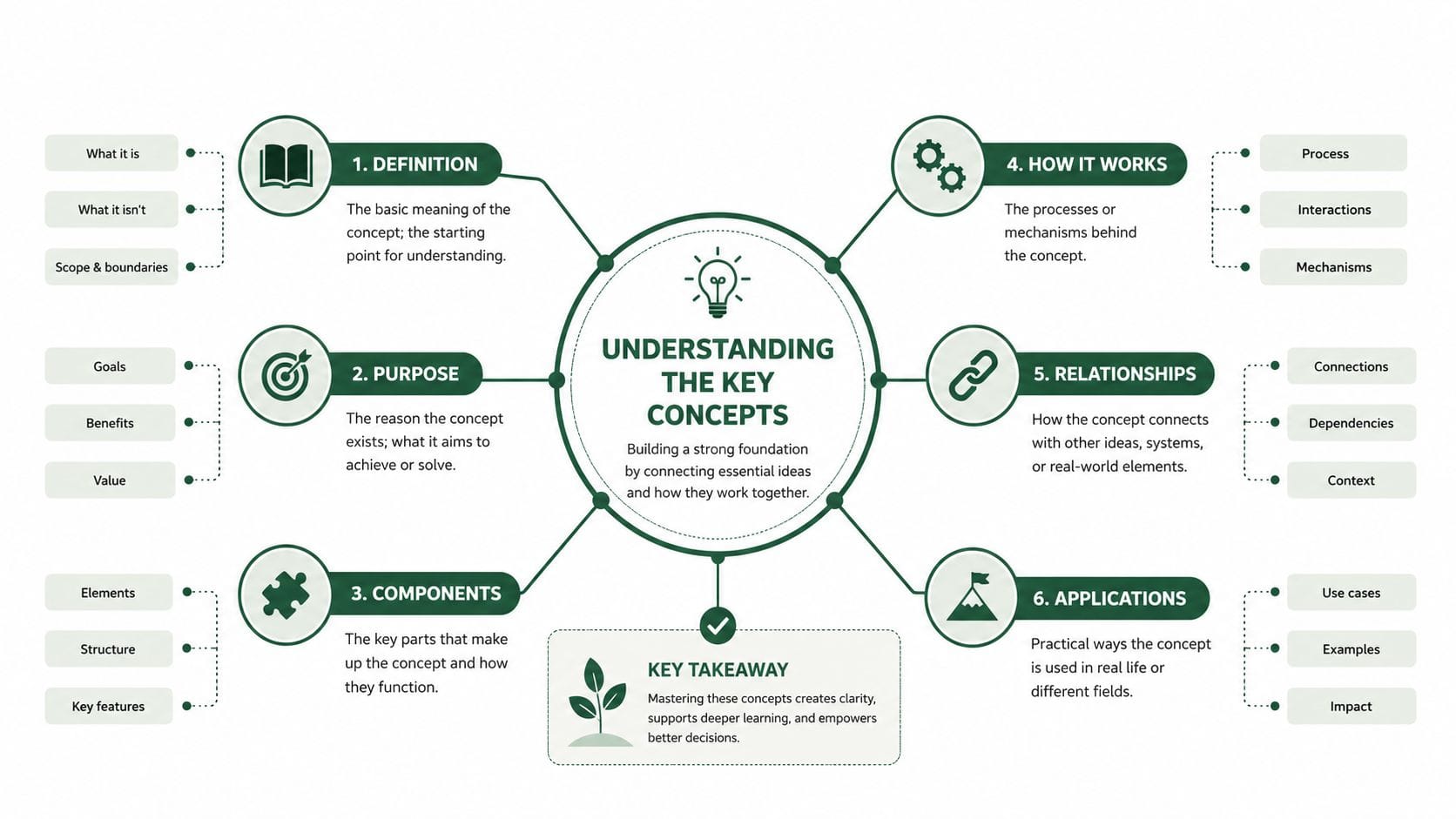
Understanding the Key Concepts
The simplest way to understand domain authority meaning is to treat DA like a credit score for a website. A lender may use a credit score as one signal when assessing financial reliability. In the same way, DA uses link-related signals to estimate how well a domain may perform in organic search. It doesn't decide the outcome on its own, and it doesn't represent the quality of every page.
Moz created DA as a 1-to-100 SEO metric that predicts how likely a domain is to rank in search results. Australian examples make the comparative nature clear. Moz lists news.com.au at DA 93 and abc.net.au at DA 93, while other major Australian domains, including smh.com.au and nsw.gov.au, also sit in the low-90s range. These examples come from Moz's Australian domain analysis.
Why links influence the estimate
A backlink is a link from another website to a business website. A reference from a relevant industry publication, local organisation or trusted partner can provide a stronger authority signal than a random link from an unrelated site. The reason is straightforward: a relevant reference can indicate that other website owners find the business useful enough to mention.
That doesn't mean a business should collect links indiscriminately. A Brisbane electrician, for example, would gain more strategic value from relevant local and trade references than from a large pile of unrelated links. The business can also learn more about ways to improve your domain authority without treating the score as the only SEO objective.
DA is not a Google score
DA comes from Moz, not Google. It's a predictive benchmark designed to help marketers compare domains, while Google uses its own search systems and does not use DA as a direct ranking factor.
A higher DA may suggest that a site has a stronger backlink profile than a competitor. However, the page still needs to match the searcher's intent, provide useful information, load properly and make the local business easy to contact. A high-authority domain with an irrelevant service page can lose to a more relevant local page.
For a Brisbane small business, the practical question isn't “How can the site reach 100?” It's “How does this site compare with the businesses competing for the same customers?” A business owner can explore the relationship between authority and referring sites through Boocoo's guide to DA and backlinks.
How Domain Authority Is Estimated
DA estimates ranking potential by analysing a website's position within a broader backlink graph. Moz looks at relationships between domains, rather than counting every link equally. The result is a predictive score that helps compare one site with other sites competing in a similar search environment.
The technical explanation matters because raw link volume can mislead a small business owner. DA is a Moz-derived, 1-to-100 predictive ranking metric, not a Google ranking factor. It models backlink-graph signals such as linking root domains, total links, MozRank and MozTrust, as described in this Australian explanation of Domain Authority.
The signals behind the score
Linking root domains refer to the distinct websites that link to a domain. A business with links from several relevant websites may have a more diverse profile than one with many links from a single source.
Total inbound links show the overall number of links pointing towards the site. This figure provides context, but it doesn't reveal whether the links are relevant, trustworthy or useful to the audience.
MozRank and MozTrust help represent link quality and trust within Moz's model. These signals are why a small number of meaningful references may matter more than a large collection of weak mentions.
The model compares the domain with other sites. A Brisbane accounting firm shouldn't judge its authority against a national marketplace. It should examine businesses targeting similar services, suburbs and customer needs. If two competitors have similarly relevant pages and sound technical foundations, the domain with the stronger link profile may have a better chance of sustaining visibility.
What the score can tell a business
DA works best as a directional benchmark. A steady improvement may indicate that the business is earning more credible references or strengthening its backlink profile. A decline can prompt a review of lost links, changed competitors or data updates.
The score can't explain every ranking movement. Content relevance, page structure, technical accessibility and local search signals still influence how customers discover a business. Owners working in business-to-business markets may also benefit from practical guidance on how to improve your B2B backlink profile.
For related paid-search terminology, Boocoo's guide to Quality Score covers a separate metric. DA and Quality Score shouldn't be treated as interchangeable, because they belong to different marketing systems.
Common Misconceptions and Limitations
A business can raise its DA without seeing an immediate change in rankings. That outcome isn't a contradiction. DA is an estimate created by Moz, while Google evaluates search results through its own systems and considers more than backlink strength.
Moz explicitly describes Domain Authority as a comparative metric, not a direct ranking factor, according to its official explanation of Domain Authority. That distinction prevents a common budgeting mistake, where an owner funds link activity but neglects the service pages customers need.
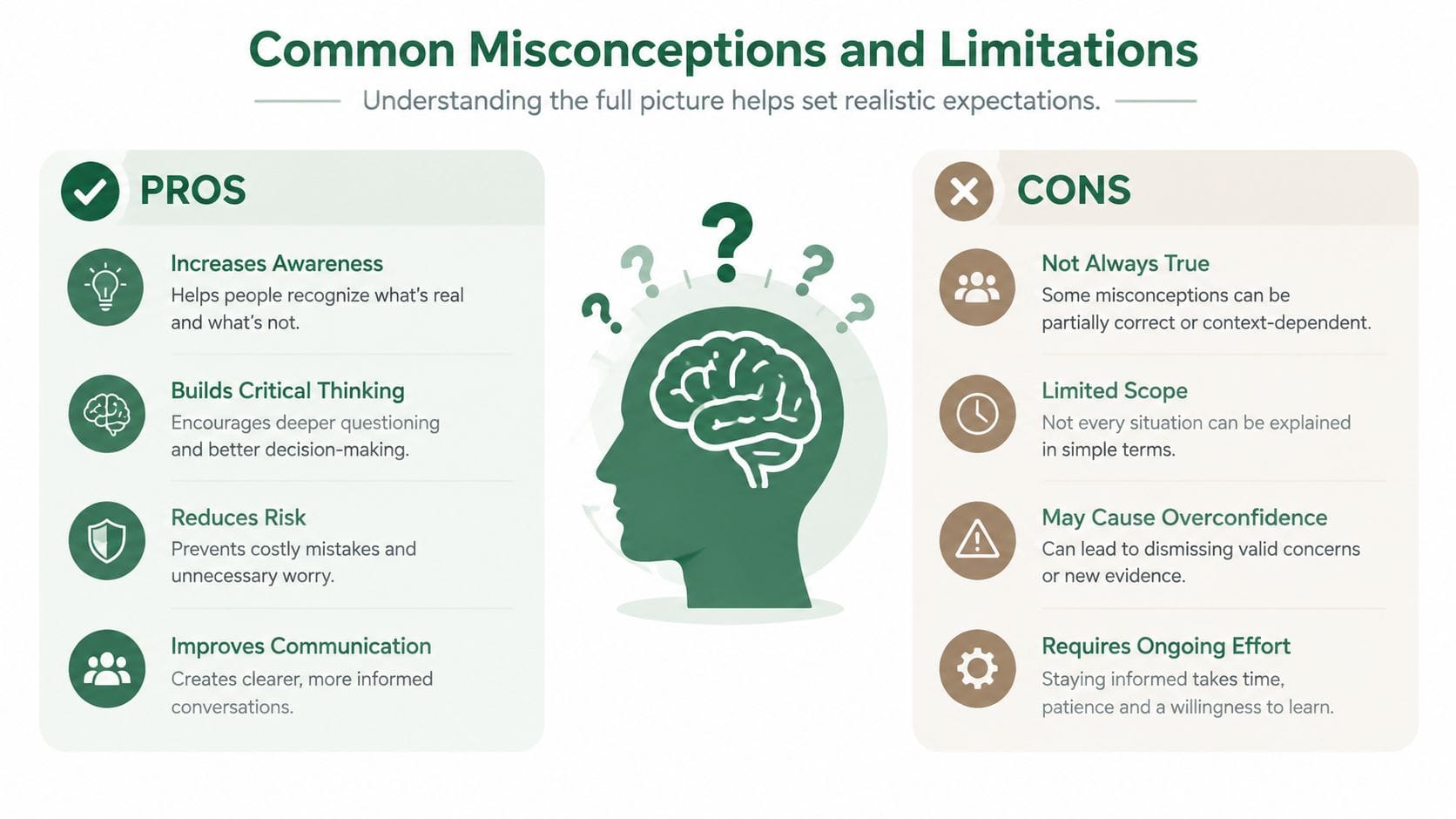
Four assumptions that cause confusion
A specific score is always good: There's no universal DA threshold that makes a Brisbane business competitive. The meaningful comparison is with direct local competitors targeting similar searches.
DA and Google use the same data: They don't. Moz calculates DA for SEO comparison, while Google doesn't use that score as a direct ranking input.
A higher score guarantees traffic: A strong score can coexist with poor page relevance, weak calls to action or services that aren't clearly explained. Ranking potential isn't the same as qualified enquiries.
Every backlink improves authority: Link quality, relevance and source diversity matter. A business shouldn't pursue links from unrelated websites to increase the link count.
Where DA falls short
DA doesn't measure whether a page answers a customer's exact question. It also doesn't replace a review of title tags, page content, internal links, mobile usability, website speed or local business information.
The score can also change as tools update their databases or as the wider link environment changes. A small movement isn't automatically a crisis, especially if rankings, enquiries and relevant search visibility remain stable.
Practical rule: Use DA to identify competitive gaps and track broad link-profile direction. Use rankings, qualified enquiries and conversion actions to judge business impact.
How to Check Your Domain Authority
A small business owner can check DA without commissioning a large SEO project. The important choice is consistency. If a business compares scores from different providers, the numbers may not be directly comparable because each platform uses its own model and terminology.
A simple checking process
Open Moz Link Explorer: Enter the business domain and look for the Domain Authority result. Review the referring domains and linking pages alongside the headline score, because the supporting data explains what may be influencing it.
Record the result: Save the date, score and competitor domains in a simple spreadsheet. A repeatable record helps distinguish a genuine pattern from a one-off fluctuation.
Inspect the links: Look for references from relevant Australian businesses, industry bodies, suppliers, local publications and community organisations. A list of links is more useful when the owner understands why those sites mention the business.
Compare like with like: Choose direct Brisbane competitors rather than large national brands. A local service provider should assess other service providers serving similar suburbs, not a national directory.
Review the business outcome: Check whether important service pages attract relevant visits, calls, form submissions or bookings. DA should support this review, not replace it.

Moz provides the most direct route for checking DA because the metric originated there. Ahrefs offers its own authority-style metric, and browser extensions can provide quick snapshots, but those results shouldn't be labelled DA unless they specifically report Moz's metric.
A business that needs broader search improvements can also review ways to improve Google search ranking. The same review should include technical issues, page relevance and local visibility, not just the authority score.
Comparing DA to Related Metrics
DA is a domain-level measure, but SEO teams often need to evaluate individual pages or compare a different provider's link model. Page Authority, or PA, focuses on a particular URL, while Domain Rating, or DR, is Ahrefs' own domain-level metric. These measures can be useful, but they aren't interchangeable with DA.
Australian SEO guidance describes DA as a 1-to-100 scale, with higher scores indicating stronger ranking potential, and recommends comparing it with direct competitors because its meaning depends on the market. The practical value comes from choosing one benchmark for one decision, rather than collecting every available score.
SEO Metric Comparison
| Metric | Provider | Scale | Focus |
|---|---|---|---|
| Domain Authority | Moz | 1 to 100 | Overall domain ranking potential based largely on link signals |
| Page Authority | Moz | 1 to 100 | Ranking potential of an individual page |
| Domain Rating | Ahrefs | Ahrefs' own scale | Relative strength of a domain's backlink profile |
A Brisbane building company might use DA to compare its overall website with nearby competitors. It might use PA to investigate why an important service page performs differently from the rest of the site. DR can help when the business already works in Ahrefs and wants to compare domains within that platform.
Choosing the right benchmark
Use DA when reports, competitors or an SEO partner already rely on Moz. Use PA when the question concerns one landing page, such as a page for bathroom renovations or commercial painting. Use DR when the business's ongoing workflow sits inside Ahrefs.
The key is not to declare one metric universally superior. The key is to compare the same metric across the same competitor set and keep the measurement method stable. A score only becomes useful when it informs a decision, such as whether to investigate lost links, improve a page or pursue a relevant local partnership.
Actionable Steps for Brisbane Businesses
Improving authority starts with useful local work, not a race to collect links. A time-poor owner can build a manageable process around existing relationships, clearer service pages and regular checks.
A practical local roadmap
Audit the current profile. Export or review the sites linking to the business. Mark each reference as relevant, unclear or suspicious, then investigate the pages that send the strongest topical and local signals.
Strengthen genuine local references. Check supplier pages, professional associations, community groups, event partners, chambers and local publications. A Brisbane business should look for places where its involvement is real and useful, rather than submitting the website to every directory available.
Build service pages around customer needs. A plumber may need separate pages for emergency plumbing, hot-water repairs and maintenance, with clear Brisbane service areas where relevant. Each page should explain the service, show how customers can enquire and link to related information.
Create something worth mentioning. A practical checklist, local guide, maintenance resource or answer to a recurring customer question gives partners a reason to reference the website. The content should solve a real problem, not exist only to attract a backlink.
Use a repeatable outreach routine. A short, personalised email can explain the business relationship, identify the useful page and suggest a relevant resource. A spreadsheet can track contacts, responses, published links and follow-up dates without requiring complex software.

Budget planning matters. One Australian market summary reports average small-business SEO investment of $14,400 to $30,000 annually, while another Australian benchmark summary says small businesses often allocate about $1,200 per month. These figures should be treated as planning context, not a required spend, because the right approach depends on competition, website condition and available time. The source is this Australian local SEO statistics summary.
A lower-budget operator can begin with a technical check, a small group of priority service pages and a focused local outreach list. A business can also use Boocoo's Brisbane local SEO service information when comparing outsourced support. Boocoo offers technical audits, on-page content and link-building support, while other providers may offer different combinations.
Budget-minded approach: Fix the pages closest to generating enquiries before investing time in broad content production. A relevant service page and a credible local reference often provide clearer strategic value than a larger but unfocused campaign.
Conclusion
Domain Authority meaning becomes clearer when the score is treated as a comparison tool, not a promise. Moz's 1-to-100 metric estimates ranking potential from link-related signals, but it isn't a Google ranking factor and it can't measure page relevance, technical quality or lead generation on its own.
Brisbane owners should compare DA with direct competitors, inspect the links behind the score and track business outcomes alongside it. A practical plan combines useful service pages, credible Australian references, sound website structure and consistent measurement.